When this service may be appropriate
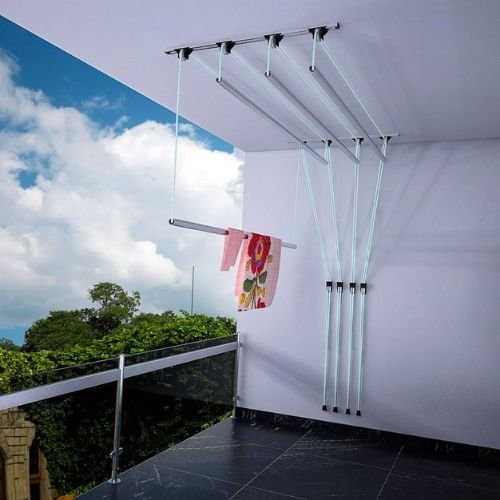
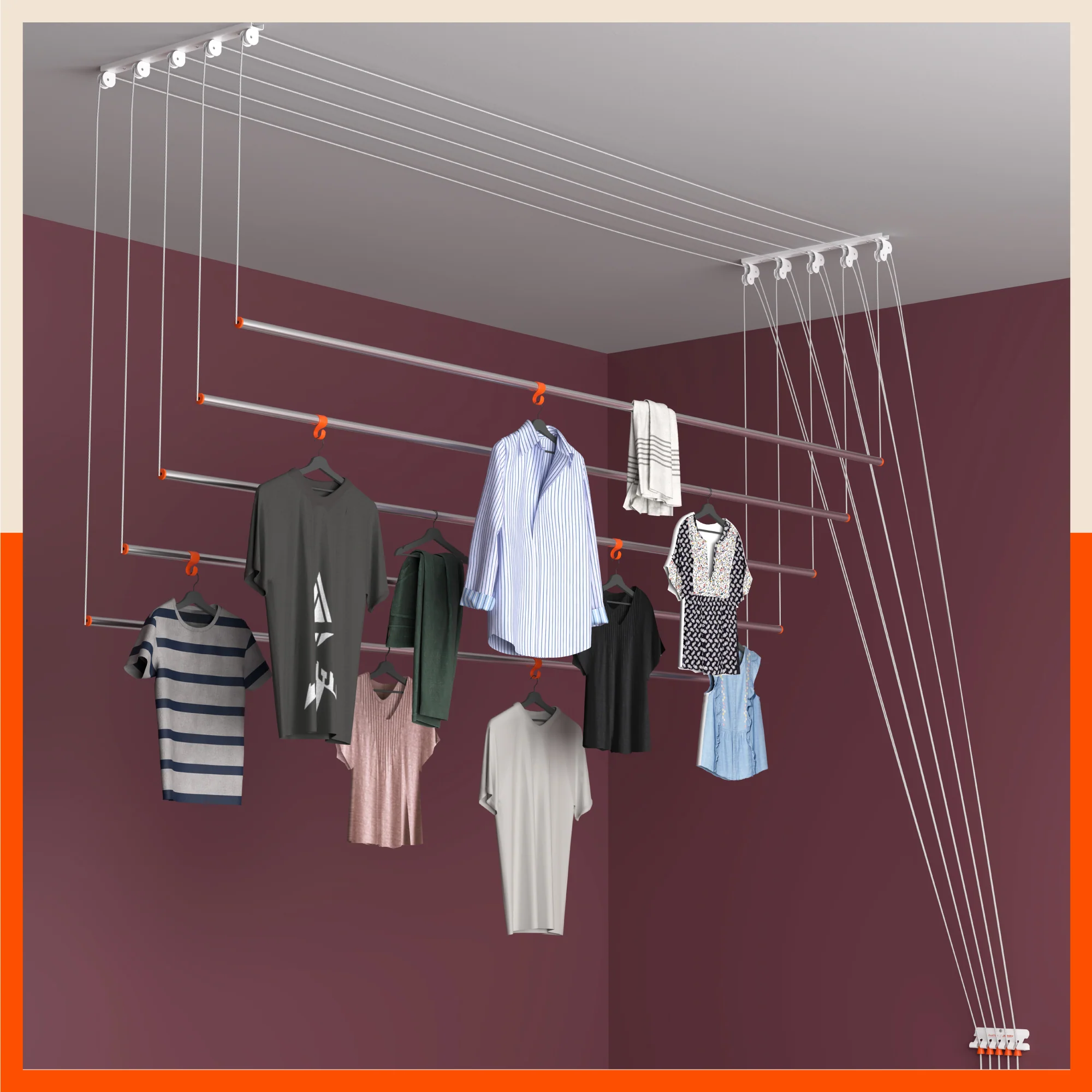
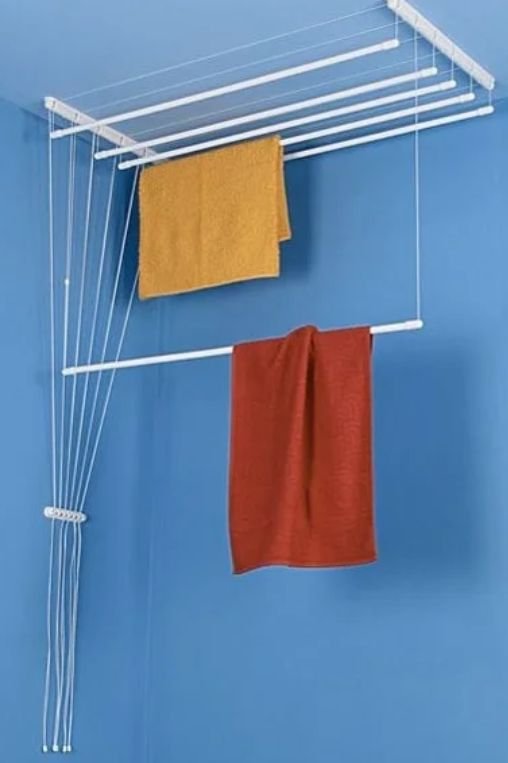
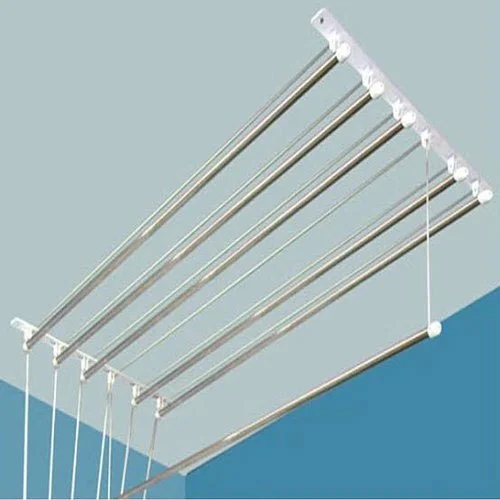
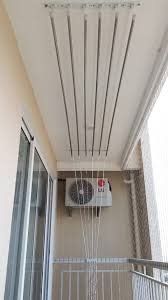
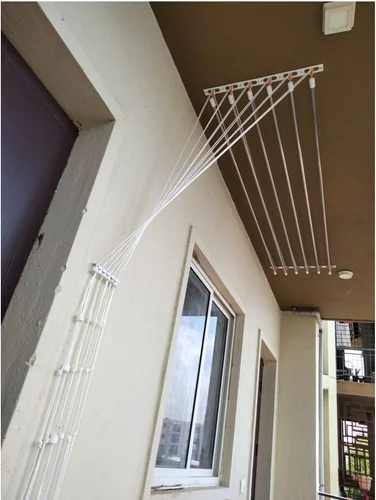
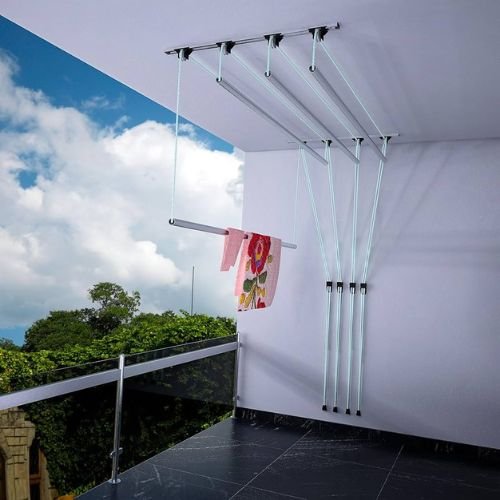
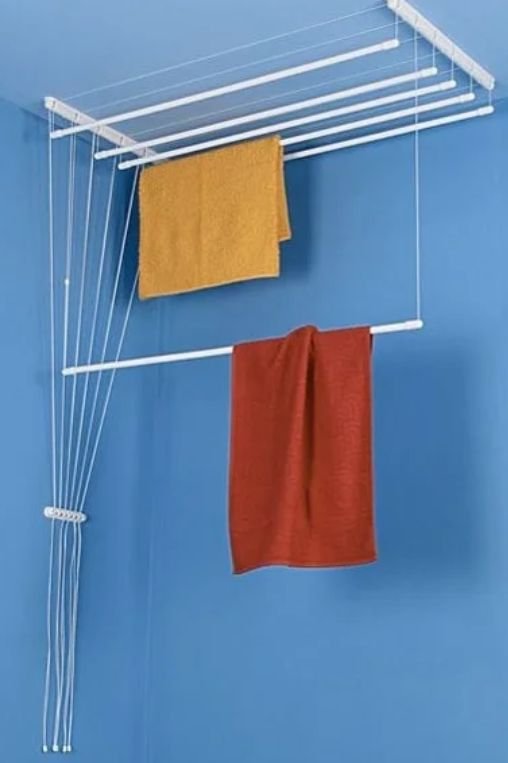
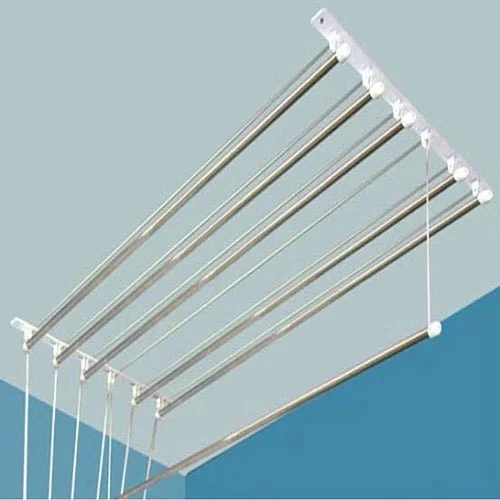
Pulley Cloth Hangers is most relevant to ceilings above balconies and utility areas. It should be selected because it fits the opening and daily use, not because a similar photograph appears attractive. users who prefer to raise laundry above the active floor area should describe the property, number of openings and intended result before requesting a recommendation. The first discussion can use photographs and approximate measurements, but final planning needs the actual site. Existing frames, railings, ceilings or walls may influence what can be installed. Explain any building permissions, working-hour limits or access restrictions early. A clear requirement helps separate this service from alternatives that solve a different problem and gives the installer a sound basis for measurement and quotation.
Service-specific site assessment
The assessment for pulley cloth hangers should examine pulley route, rope controls and overhead clearance. Each relevant section must be considered separately because dimensions and fixing conditions can change across the same property. Point out concealed services, nearby glass, drainage, electrical fittings, cabinets and moving doors or windows. Safe access for measurement and installation must be confirmed rather than assumed. Customers should not remove existing fittings before the appointment unless instructed. If photographs are shared, include one view of the complete area and closer images of unusual corners or surfaces. The resulting scope should identify which sections were measured and record limitations that could affect the proposed method.
Everyday operation and compatibility
Planning must account for smooth lifting, even loading and convenient locking height. A successful installation should support normal use of the space after work is complete. Check whether windows must slide or open outward, whether doors need full travel, and whether occupants need access for cleaning or equipment servicing. Curtains, insect screens, laundry systems, lights, fans and utility appliances can all interact with the chosen layout. Do not solve one requirement by creating a new obstruction. Ask the installer to demonstrate or explain any moving control and to identify areas that must remain clear. Compatibility decisions made before drilling are easier to manage than alterations requested after components are fixed.
Materials and written specifications
Request a written specification for the complete pulley cloth hangers system. The description should cover the principal material, finish or coating, tracks or supporting sections, controls where relevant, anchors and other included hardware. A single phrase such as stainless steel does not explain the grade or construction of every component. If SS316 is proposed, ask how the supplied material is identified and why it suits the exposure and use. Avoid unsupported promises such as maintenance free, completely rust proof or suitable for every property. Installation quality and substrate condition matter alongside material selection. Keeping the specification with the invoice makes future cleaning, inspection, repair or compatible replacement discussions more reliable.
Quotation scope and price comparison
A useful quotation connects price to measured work. For pulley cloth hangers, confirm the included areas, dimensions or measurement method, component specification, installation work, access assumptions and exclusions. Headline rates from unrelated projects may not include the same materials, preparation or operating parts. When comparing estimates, first check whether both suppliers measured the same scope. Ask how additional work will be approved if a hidden obstruction or unsuitable surface is found. Travel, difficult access, removal of an old system and making good surrounding finishes may need separate treatment. A clear written quotation is more valuable than an unexplained low total because it shows what the customer is actually approving.
Installation and completion review
After approval, confirm the appointment, property access and areas that should be cleared. Keep children and pets away from tools and active work zones. Installation steps vary with pulley route, rope controls and overhead clearance, so a universal completion time should not be promised without reviewing the site. At handover, inspect alignment, accessible fixings, surrounding finishes and any controls or moving parts. Confirm that nearby doors, windows and equipment still operate as intended. Ask for basic use and care guidance and photograph the completed work for your records. Report a concern promptly rather than changing tension, anchors, pulleys or supports yourself. The signed scope and completion review should refer to the same openings and specification.
Safety limits and responsible use
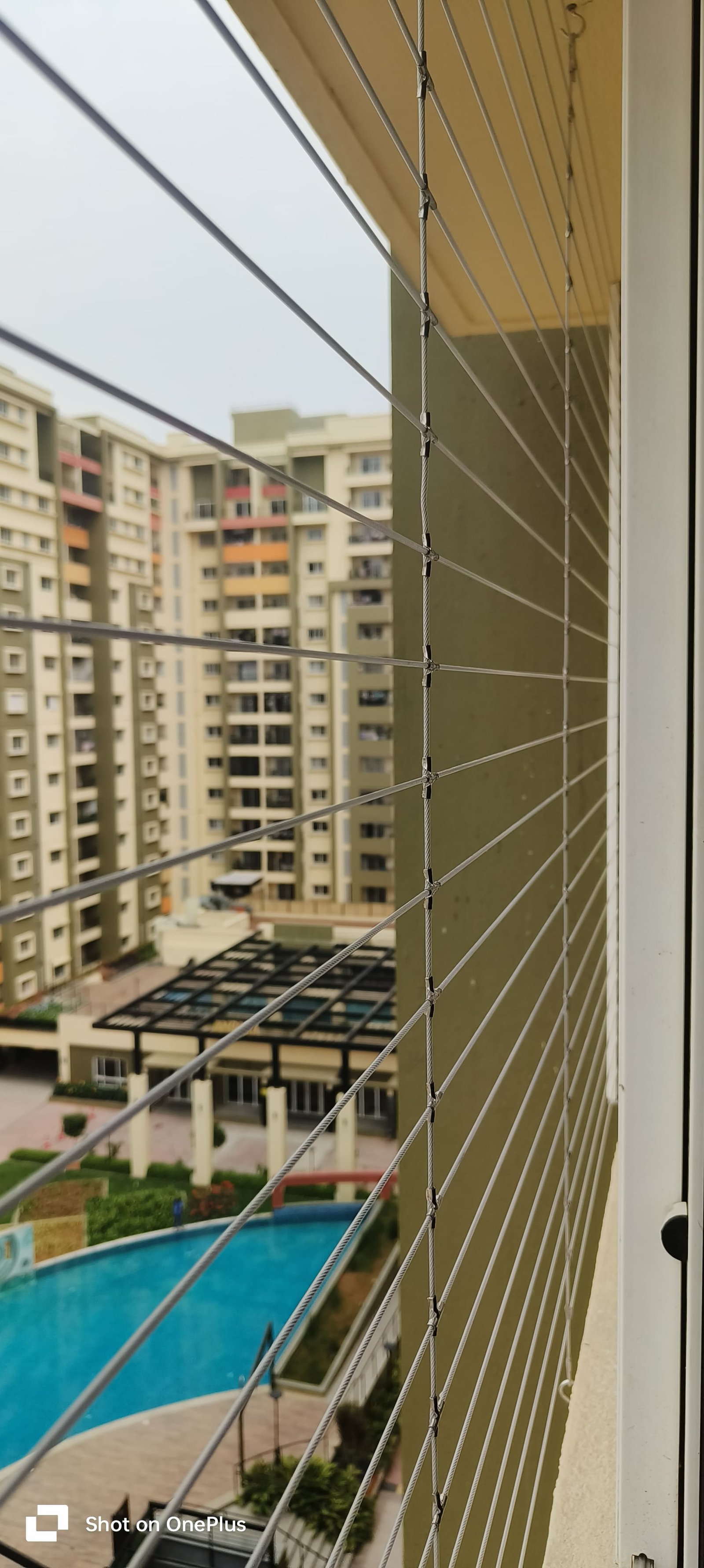
Pulley Cloth Hangers should be used only for its documented purpose. Invisible grill wires are not shelves, handrails or supports for hanging loads, and cloth hanger systems should not be loaded beyond the supplied specification. Barriers do not replace supervision of children or pets, while hanger controls should be kept orderly and used by someone who understands the mechanism. Furniture and climbable objects near elevated openings can introduce risks even when a barrier is present. Do not modify components to accommodate a new appliance, screen or renovation without checking compatibility. Responsible use includes recognising that every installation has limits and arranging professional review when the property or daily requirement changes.
Cleaning and periodic inspection
For pulley cloth hangers, use a soft cloth and a mild cleaning method suitable for the supplied finish. Abrasive pads and aggressive chemicals may mark coatings or stainless-steel surfaces. During cleaning, look for unusual movement, damaged coating, loose hardware, worn ropes, disturbed anchors or changes in operation that were not present at handover. Do not loosen fixed components to reach surrounding surfaces. Renovation, painting, window replacement or equipment installation near the system can affect it even when damage is not immediately obvious. Keep the original specification so an inspection can identify compatible parts. Maintenance frequency should reflect exposure and use rather than a generic online interval copied from a different product.
Questions to ask before approval
Ask whether pulley cloth hangers is suitable for the actual site, what will be measured, which components are included and how normal use will be preserved. Confirm the proposed material, fixing method, access plan, operating guidance, exclusions and process for changes. Request direct answers about smooth lifting, even loading and convenient locking height because these points distinguish this service from a generic installation. Verify service availability for the address and do not interpret a web page as proof of a local branch office. The best decision combines accurate property information, a documented assessment and a quotation that can be understood without verbal assumptions. Contact Malleswari Invisible Grills to discuss the requirement and arrange the next step where coverage is confirmed.